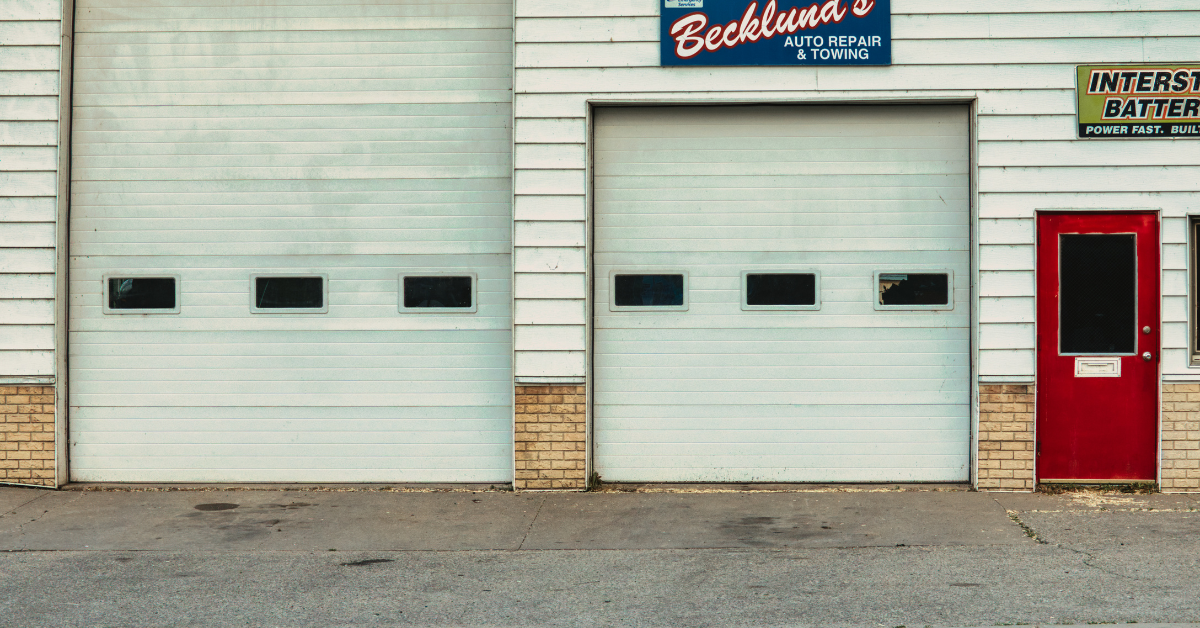

Businesses across different industries must ensure safety, structural durability, and operational efficiency throughout their facilities. One important element that supports these needs is the type of doors installed in commercial spaces. A commercial metal door is widely recognized as one of the most reliable and enduring door solutions used in modern business environments. Constructed to withstand heavy use, environmental stress, and security challenges, these doors are commonly installed in offices, industrial warehouses, educational institutions, retail buildings, storage facilities, and healthcare centers where strength and stability are necessary.
The performance demands placed on commercial doors are far greater than those in residential settings. They must respond to frequent opening and closing cycles, maintain structural form under impact, prevent unauthorized access, and offer fire safety protection. Metal doors are engineered to manage these requirements while offering longevity and cost efficiency. Businesses that require professional installation and ongoing support often rely on services specializing in commercial metal door solutions to ensure high performance and durability.
Primary Advantages of Commercial Metal Doors
Commercial metal doors provide several practical benefits that make them an excellent choice for high-traffic environments. Some of the key advantages include:
- High Strength and Impact Resistance: The steel construction resists dents, warping, and environmental damage.
- Security: Metal doors help safeguard assets, employees, and restricted areas.
- Fire Protection: Fire-rated metal doors help slow the spread of flames and smoke during emergencies.
- Longevity: Their durability allows them to perform effectively for many years with proper maintenance.
- Cost Efficiency: Metal doors require fewer replacements and less frequent repair work.
- Versatility: Available in various styles, finishes, and configurations to match building needs.
These features allow organizations to maintain safety and efficiency while reducing maintenance costs.
Types of Commercial Metal Doors
Different operational environments require different door constructions. Below is a breakdown of common commercial metal door types and their typical uses:

| Door Type | Material/Class | Best Suited For | Key Benefits |
|---|---|---|---|
| Hollow Metal Doors | Steel-Core | Offices, Schools, Hospitals | Fire-rated, durable, sound-controlled |
| Insulated Metal Doors | Steel + Thermal Layer | Warehouses, Cold Storage | Helps maintain temperature control |
| Stainless Steel Doors | Polished or Matte Finish | Laboratories, Restaurants | Hygienic, moisture-resistant |
| Security Metal Doors | Reinforced Steel | Data Centers, Restricted Areas | High-level access control |
| Roll-Up Metal Doors | Steel Slats | Loading Docks, Industrial Bays | Space-saving and durable |
Selecting the appropriate door type involves identifying performance requirements, safety regulations, and environmental conditions.
Common Uses of Metal Doors in Commercial Spaces
Commercial metal doors support a wide range of everyday functions:
- Exterior Entrances: Protect buildings against weather and forced entry.
- Interior Hallways: Maintain controlled access and fire safety compliance.
- Mechanical or Utility Rooms: Safeguard equipment and reduce noise.
- Storage and Inventory Areas: Ensure security for valuable products and materials.
- Emergency Exit Routes: Fire-rated metal doors support safe evacuation in urgent situations.
Their ability to adapt to multiple settings makes them a universal choice across business sectors.
Performance Factors to Consider When Selecting a Metal Door
Selecting the correct commercial metal door requires evaluating several performance elements:
- Traffic Level: High-use areas require thicker gauge steel and reinforced hardware.
- Security Needs: Rooms storing sensitive items may require specialized locks and additional barriers.
- Fire Rating Requirements: Local safety regulations often require fire-rated doors in certain zones.
- Thermal and Acoustic Insulation: Useful for temperature-controlled facilities and sound-managed environments.
- Finish and Coating: Powder-coated, painted, or stainless finishes improve both durability and appearance.
Attention to these factors ensures that the metal door will provide high functionality and resilience.
Installation and Maintenance Considerations
Proper installation significantly influences door performance. A misaligned door can lead to premature wear, difficulty opening, and reduced safety. Professional installation teams ensure structural alignment, correct hinge placement, proper seal fitting, and compliance with building standards.
Metal doors typically require minimal maintenance. The main upkeep tasks may include:
- Lubricating hinges and lock mechanisms
- Inspecting door frames for alignment
- Cleaning surfaces to remove dust or moisture
- Repainting to maintain aesthetic and corrosion resistance
- Checking insulation seals for degradation
Routine care supports long service life and maintains functional integrity.
Fire Safety and Building Code Compliance
Many commercial metal doors are fire-rated, meaning they can withstand flames for a specified period. Fire ratings help slow the spread of smoke and heat, giving building occupants time to evacuate. Businesses in manufacturing, hospitality, healthcare, and public service must comply with strict fire safety building regulations. Installing fire-rated metal doors helps satisfy code requirements and improves life safety measures.
Contribution to Business Efficiency and Facility Security
Commercial metal doors play an important role in supporting building operations and workflow efficiency. Their solid construction helps create safe access corridors, secure restricted areas, and reduce energy waste. Additionally, their ability to withstand heavy impact and challenging environments decreases downtime and lowers repair or replacement costs.
From controlling access to supporting fire safety protocols, metal doors contribute directly to a well-functioning workplace.
Conclusion
A commercial metal door is more than just a structural component; it is an integral part of a building’s safety, security, and operational efficiency. Designed to withstand demanding environments, it offers durability, protective strength, and long-term performance. Whether used in industrial facilities, educational campuses, or commercial complexes, metal doors provide an essential layer of reliability. By selecting the appropriate door type, ensuring proper installation, and maintaining periodic care, businesses can benefit from stable functionality and long-lasting value.