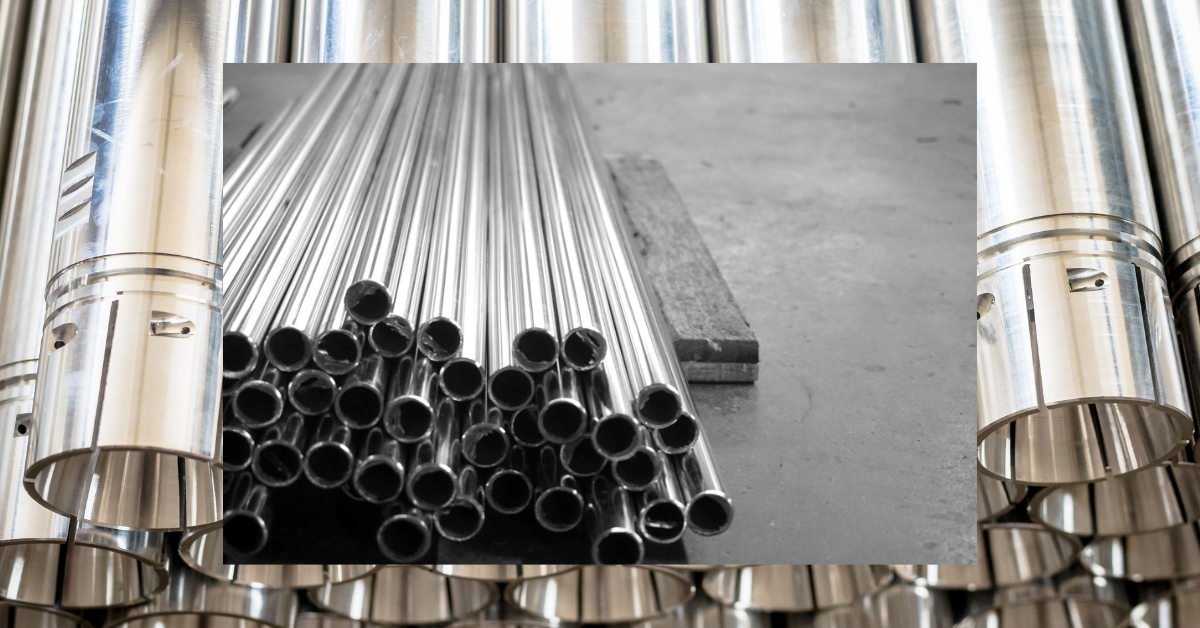

When it comes to performance fabrication and custom automotive builds, selecting the right material can make all the difference. One of the most versatile and efficient materials for intake, intercooler, and exhaust systems is the aluminum tube — a lightweight, durable, and corrosion-resistant solution ideal for high-performance applications.
For premium-grade products that meet professional fabrication standards, explore the full range of Aluminum Tube options designed for precision and reliability.
Why Aluminum Tube Is Essential in Performance Fabrication
Aluminum tubing has become a staple in the automotive, marine, and industrial sectors for its outstanding blend of strength, flexibility, and weight savings. Its ability to handle pressure, temperature variation, and vibration makes it ideal for everything from intercooler piping to custom intakes.
Key Advantages:
- Lightweight Construction
Aluminum’s density is roughly one-third that of steel, making it perfect for applications where reducing overall vehicle weight improves performance and fuel efficiency. - Excellent Corrosion Resistance
Aluminum forms a natural oxide layer that prevents rust and corrosion — ideal for both street and marine environments. - Superior Thermal Conductivity
Aluminum quickly dissipates heat, which makes it perfect for intercooler systems, intake pipes, and radiator connections. - Easy Fabrication and Welding
Aluminum tube is easy to cut, bend, and weld using TIG techniques, making it a preferred choice for custom builders. - Smooth Internal Surface
Reduces air turbulence and pressure drop, helping achieve maximum airflow efficiency.
Common Uses of Aluminum Tubing in Automotive Fabrication
| Application | Purpose | Advantage |
|---|---|---|
| Intercooler Piping | Connects turbo to intercooler and throttle body | Lightweight, heat-dissipating |
| Intake Systems | Directs airflow to the engine | Smooth flow, reduced heat soak |
| Coolant Lines | Carries coolant to and from radiator | Non-corrosive, temperature stable |
| Exhaust Components (Cold Side) | For low-heat exhaust routing | Cost-effective, corrosion resistant |
| Custom Fabrication Projects | Roll cages, mounts, and brackets | Easy to form and weld |
Types of Aluminum Tube Available
| Type | Description | Application |
|---|---|---|
| Seamless Aluminum Tube | Uniform structure, no weld seam | Pressure systems, intercooler pipes |
| Welded Aluminum Tube | Joined from flat sheet | Budget builds, non-critical systems |
| Drawn Tube | High precision and smooth finish | Performance intake and turbo systems |
| Anodized Tube | Surface-treated for enhanced protection | Aesthetic builds, marine setups |
Aluminum Alloys Commonly Used in Tubing
| Alloy | Key Features | Typical Use |
|---|---|---|
| 6061-T6 | Excellent strength, corrosion resistance | Intercooler piping, roll cages |
| 6063-T5 | Superior formability and finish | Custom intakes and lightweight structures |
| 3003-H14 | Good weldability, softer for forming | Non-pressurized or decorative applications |
| 5083 | High corrosion resistance, especially in saltwater | Marine and outdoor applications |
Each alloy offers a unique balance between strength, formability, and resistance — making aluminum tube suitable for virtually every automotive purpose.
Benefits of Using Aluminum Tube in Performance Applications
| Feature | Benefit |
|---|---|
| Lightweight | Reduces total vehicle mass for faster acceleration |
| Corrosion Resistant | Withstands harsh environments without rusting |
| Easy to Work With | Cut, bend, and weld with basic fabrication tools |
| Excellent Heat Transfer | Ideal for charge air and cooling systems |
| Affordable | Lower cost than stainless steel or titanium |
| Attractive Finish | Clean, polished appearance adds professional look |
Fabrication and Welding Tips for Aluminum Tubing
- Cut with Precision: Use a fine-tooth blade or tube cutter to maintain clean edges.
- Deburr Edges: Smooth ends prevent contamination and improve weld penetration.
- TIG Weld for Best Results: Use AC current and pure argon shielding gas.
- Choose Correct Filler Rod: 4043 or 5356 filler rods are commonly used for 6000-series alloys.
- Avoid Contamination: Always clean with acetone or a dedicated stainless steel brush before welding.
- Mandrel Bending Recommended: Prevents collapse or deformation during shaping.

Proper preparation ensures a strong, clean weld and a professional finish — especially in visible components like intakes or intercoolers.
Aluminum Tube vs. Other Materials
| Property | Aluminum | Stainless Steel | Mild Steel | Titanium |
|---|---|---|---|---|
| Weight | Very Light | Moderate | Heavy | Very Light |
| Heat Resistance | Moderate | Excellent | Good | Excellent |
| Corrosion Resistance | Excellent | Excellent | Poor | Excellent |
| Cost | Moderate | Moderate | Low | High |
| Weldability | Good | Excellent | Excellent | Difficult |
| Appearance | Polished | Metallic | Dull | Polished |
For builders prioritizing lightweight performance and efficiency, aluminum tube provides the best balance between cost and capability.
Design Considerations When Choosing Aluminum Tubing
- Diameter and Wall Thickness
- Common sizes range from 2” to 4”.
- Thicker walls (2.5mm+) for boosted or high-pressure applications.
- Temperature Range
- Aluminum can handle up to ~200°C (392°F). Avoid direct turbo or exhaust contact on the hot side.
- Connection Type
- Use silicone couplers and T-bolt clamps for pressure sealing.
- V-band or bead-rolled ends recommended for boosted systems.
- Polishing and Coating
- Polishing improves airflow and aesthetics.
- Anodizing adds corrosion resistance and custom colors.
Common Mistakes to Avoid
- Mixing Different Alloys: Can cause poor weld quality.
- Using Steel Tools on Aluminum: Leads to surface contamination and oxidation.
- Skipping Cleaning Steps: Residue and oil can cause porous welds.
- Excessive Heat Input: May warp or weaken the material.
- Ignoring Proper Support: Unsupported tubing may crack due to vibration.
Attention to these details ensures long-lasting, high-quality results in every build.
Maintenance and Care for Aluminum Tubing
- Regular Inspection: Check for cracks or leaks in welded joints.
- Clean Periodically: Use aluminum-safe degreasers to remove oil or debris.
- Avoid Abrasives: Use soft cloths or aluminum polish to maintain surface shine.
- Check Couplers: Retighten T-bolt clamps after heat cycles to maintain pressure seals.
- Protect from Electrolysis: Use anti-seize or insulating materials when mounting aluminum to steel components.
With proper maintenance, aluminum tubing will retain its appearance and performance for years.
Real-World Application Example
In a turbocharged setup, an aluminum tube is commonly used from the turbo outlet to the intercooler and from the intercooler to the throttle body. This setup benefits from aluminum’s lightweight construction and efficient heat dissipation, ensuring cooler air intake temperatures and better throttle response.
Paired with quality silicone couplers and T-bolt clamps, aluminum tubing provides a leak-free, high-performance air delivery system suitable for both street and race applications.
Conclusion
For builders seeking the perfect balance between lightweight performance, durability, and versatility, aluminum tubing is an unbeatable choice. It’s easy to fabricate, resists corrosion, and enhances both the function and form of any project.
Whether you’re fabricating an intercooler setup, intake manifold, or lightweight chassis component, premium-grade Aluminum Tube ensures professional-level results and long-lasting reliability in every build.